

Written by:
Healthy-U Staff

Medically Reviewed by:
Matthew Sommers, PharmD
This article may contain affiliate links, and we may earn a small commission when you click on the links at no additional cost to you. Read the full disclaimer here.
Why Can’t I Sleep At Night Even When I’m Tired?
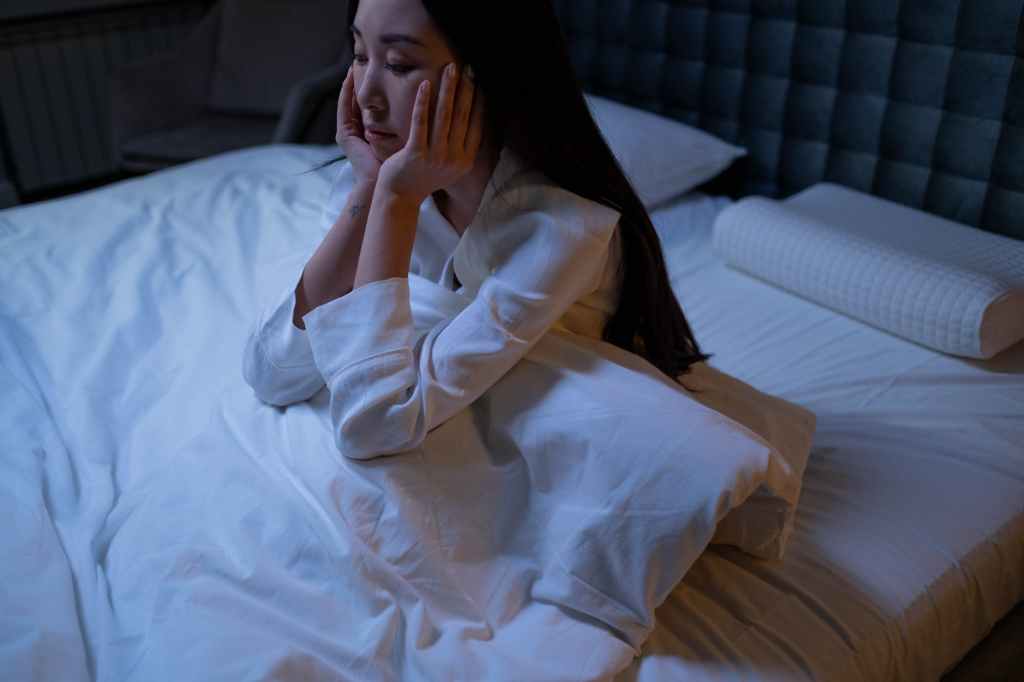
We’ve all had this experience at one time or another. After a long day, you lay down, looking forward to getting some rest… and you find yourself wide awake, staring at the ceiling, the clock, or your phone. There are a variety of potential contributing factors, and learning more about these and how they could affect you personally may help you identify ways to improve your sleep.
I’m Tired, But Can’t Sleep
Several common factors affect our ability to fall or stay asleep during the night, which can cause or contribute to insomnia. We’ll spend some time diving into each of these and include some tips about what to do if you can’t sleep.
Stress And Anxiety
A majority of individuals managing mental health disorders report difficulty sleeping, and about a third of these fit the criteria for a clinical diagnosis of insomnia. Common complaints are, “I can’t shut my mind off,” or “my mind is just racing.”
Sometimes these experiences can be linked back to a common thought pattern called rumination. This is defined by repeatedly revisiting or worrying about a particular topic. This is often referred to as obsessing over things, which unfortunately casts a bit of a negative light. We all experience these kinds of thought patterns at one time or another. What is important is the ability to recognize it and take steps to address it.
What Can I Do To Manage Anxiety?
If you feel as though stress or anxiety are starting to impact your daily life, it may be time to discuss this with a healthcare provider. The relationship between anxiety and sleep is cyclical — anxiety can make it harder to sleep, and a lack of sleep is associated with increased anxiety. Fortunately, there are ways to help improve these symptoms.

- Therapy, often in the form of cognitive behavioral therapy, or CBT, can be particularly effective. CBT is recommended as a first-line treatment for insomnia, meaning it is often recommended prior to trying medications. CBT can be very beneficial for individuals struggling with anxiety management as well.
Access to therapy has improved significantly in recent years, with many options like online-therapy.com providing services from the comfort of your home. Therapy can help you identify the connection between your thoughts and emotions and how these impact your behavior. Looking at these patterns in a non-judgmental way can help you identify ways to improve your sense of balance and well-being.
- There are many prescription medications available to help with anxiety management. The most common are selective serotonin reuptake inhibitors, or SSRIs, like Lexapro or Paxil. These medications are usually safe, well-tolerated, and may help indirectly with sleep if anxiety has been a significant cause of difficulty sleeping.
Tricyclic antidepressants like trazodone or mirtazapine are often used more specifically for sleep and may also offer additional benefits for anxiety because of their serotonin activity. Monitoring for signs of dry mouth, constipation, and an increased risk of falls is important when these medications are considered.
Over time there have been newer medications like Rozerem that are meant to avoid some of the potential drawbacks associated with sedative-hypnotics like Ambien (potential for dependence, sleepwalking, increased risk for falls, etc). Newer medications remain fairly expensive, however, which may present some difficulty with accessibility. Because of these challenges, these medications may be recommended after other options have been tried.
- There are also a variety of over-the-counter medications and supplements marketed as sleep aids. Melatonin is among the most widely used and has shown some modest improvements in sleep when evaluated over time. Melatonin is meant to help boost your body’s natural sleep-wake cycle and is often considered before other options because it is unlikely to produce side effects.
Products containing diphenhydramine or doxylamine are also commonly used over-the-counter sleep aids. These are available under the branding Unisom and can also be found in many combination cold and flu products intended for nighttime dosing. These medications can be helpful, but monitoring for signs of dry mouth, constipation, and difficulty maintaining balance is important.
Poor Sleep Hygiene
Sleep hygiene refers to the routines associated with our sleep. A lot of more recent attention has been paid to limiting screen time prior to bed, as well as blue light filters. There is some evidence that exposure to blue light does have an impact on sleep quality. There are also a number of other factors to take into consideration as well.
What Can I Do To Improve Sleep Hygiene?
A variety of studies have been performed looking into the effects of lifestyle changes, and there have been some attempts to compile all of this data. Overall, making these changes appears to offer more consistent, quality sleep:
- Avoid nicotine.
- Avoid alcohol.
- Limit caffeine to the morning or early afternoon.
- Get regular exercise.
- Avoid daytime naps.
- Establish a consistent bedtime.
The effects of caffeine on sleep can vary widely between individuals, with effects persisting anywhere between three to seven hours on average. The duration of effects appears to increase with age. Some individuals may experience residual effects for a longer period of time after drinking caffeine, or may have also established a higher level of tolerance.
Alcohol can have somewhat confusing effects on sleep. On one hand, it can feel easier to fall asleep after having an alcoholic beverage. On the other, it does appear that sleep quality is diminished, and there is a higher likelihood of restlessness during the night.

Medications
Some medications can make it more difficult to sleep. Some of the more common offenders are stimulants used for different purposes like nasal decongestants. There are also many other classes of medications that can impact sleep, like antidepressants and steroids. If you have recently started a new medication and are noticing it has become more difficult to fall asleep or stay asleep throughout the night, it is a good idea to talk with your doctor or pharmacist.
What Can I Do To Avoid Side Effects?
In some instances, it may be as simple as taking certain medications in the morning to lessen the impact of your medications on your sleep patterns. Discussing your concerns with your doctor or pharmacist can help you identify whether any of your medications may be contributing to difficulty sleeping, and help you make adjustments to improve your symptoms.
Medical Conditions
Sleep Apnea
Waking up feeling tired after a full night’s sleep can sometime be a sign of potential sleep apnea. This is characterized by frequent events in which you stop breathing during your sleep, but do not necessarily wake up. A common screening questionnaire to help identify potential sleep apnea is called STOP-BANG:
- Snoring: Loud; potentially loud enough to be heard beyond closed doors.
- Tired: Feeling tired or fatigued frequently during the daytime.
- Observed: Has anyone seen you stop breathing during your sleep?
- Blood Pressure: Do you have high blood pressure or are you treated for high blood pressure?
- BMI equal to or greater than 35 kg/m2.
- Age greater than 50 years.
- Neck circumference greater than 40 cm.
- Male Gender.
Frequently feeling tired during the day is reason enough to discuss your concerns with your doctor to help you determine potential causes.
Restless Legs
Restless leg syndrome, or RLS, is characterized by an uncontrollable urge to move your legs. This doesn’t hurt, but can be disruptive, particularly during sleep when involuntary jerking movements can occur. This can make it difficult to fall asleep, stay asleep, and can affect the sleep of bed partners. RLS is common, with some estimates suggesting as many as one in seven individuals are affected.
If you feel you or your partner may be affected by RLS, it can be helpful to discuss this with your doctor. There are medications available that can help with managing symptoms, and various non-drug practices that may offer additional benefit:
- General sleep hygiene, including avoiding caffeine in the evenings.
- Consistent exercise.
- Warm or cold baths.
- Massages.

Diet
Both the timing of meals and food choices have the potential to impact sleep in a number of ways. In general:
- Lighter meals in the evening with reduced fat content may help reduce the role of indigestion.
- Staying hydrated throughout the day is important, but limiting fluid intake in the evening may help reduce the number of times you need to wake up to use the restroom.
- Some nutrients, such as tryptophan, may improve sleep.
Evidence is ultimately conflicting regarding the impact of certain vitamin supplements. B vitamins, for instance, may be better tolerated in the morning due to their impact on energy levels.
Wrap-Up
There are a variety of potential influencing factors related to sleep patterns. If you’re struggling, being aware of these factors may help you identify some opportunities for a positive change. If you find that these concerns seem to be having a negative effect on your day to day life, or you are tired much of the time, consulting your doctor can help you identify the best solutions for your individual needs.
References

- Hertenstein, Elizabeth; et al. “Cognitive behavioral therapy for insomnia in patients with mental disorders and comorbid insomnia: A systematic review and meta-analysis.” Sleep Medicine Reviews, April 2022. Accessed October 31, 2023.
- Ferracioli-Oda, Eduardo; et al. “Meta-Analysis: Melatonin for the Treatment of Primary Sleep Disorders.” Plos One, May 2013. Accessed October 31, 2023.
- Shechter, Ari; et al. “Blocking nocturnal blue light for insomnia: A randomized controlled trial.” Journal of Psychiatric Research, January 2018. Accessed October 31, 2023.
- Irish, Leah A.; et al. “The Role of Sleep Hygiene in Promoting Public Health: A Review of Empirical Evidence.” Sleep Medicine Reviews, August 2015. Accessed November 1, 2023.
- National Library of Medicine. “Obstructive Sleep Apnea.” December 2022. Accessed November 1, 2023.
- Nagappa, Mahesh; et al. “Validation of the STOP-Bang Questionnaire as a Screening Tool for Obstructive Sleep Apnea among Different Populations: A Systematic Review and Meta-Analysis.” PloS One, December 2015. Accessed November 1, 2023.
- National Library of Medicine. “Restless Legs Syndrome.” , February 2023. Accessed November 1, 2023.
Recent Articles



Article Categories:
 Healthy-U