


Written by:
Healthy-U Staff

Medically Reviewed by:
Matthew Sommers, PharmD
This article may contain affiliate links, and we may earn a small commission when you click on the links at no additional cost to you. Read the full disclaimer here.
How Many Meals Should You Eat A Day?
Numerous articles and expert viewpoints exist on the topic of meal planning, and much of it can be confusing. Some experts emphasize the significance of breakfast and may also focus on a higher frequency of smaller meals (e.g., up to six per day). Others recommend skipping meals entirely or fasting, an approach that has gained a lot of traction in recent years. It’s easy to see how this may be confusing – these two concepts are essentially polar opposites.
So, how hours should you wait between meals?
Let’s discuss some different approaches to meal timing and their potential effects on health and weight loss efforts.
Intermittent Fasting
Over the past few years, meal skipping and various methods of intermittent fasting have surged in popularity. Individuals adopt a variety of fasting approaches for different reasons, including religious and cultural factors, such as fasting from sunrise to sunset during Ramadan.
Dietary fasting methods are becoming more prominent for promoting overall health and weight management. A general goal is often to establish ketosis, or a fat-burning mode reminiscent of the keto diet. Three examples of intermittent fasting routines include:
- The 16/8 fasting schedule: This allows for 8 hours of eating each day while fasting for 16. There are also variations that allow for a shorter fasting period, like 14/10 or 12/12.
- The 5/2 fasting schedule: This refers to restricting caloric intake to 20% of normal for 2 days each week, while allowing for more normal eating habits for 5 days each week.
- Alternate-day fasting schedule: This is a more aggressive approach where every other day is spent fasting completely –all-or-nothing. When studied, this routine did not appear to provide any additional benefits for weight loss or cardiovascular protection compared with simply limiting caloric intake each day. Taking more aggressive approaches may not be especially beneficial.

Which Method Of Intermittent Fasting Is The Best?
This choice will be more influenced by your individual preferences or tendencies. Some individuals may discover that adhering to a 5/2 schedule is a more manageable option compared to daily fasting periods, while others may prefer the strict routine of daily fasting. The outcomes of these plans are likely to be consistent when you consider the overall calorie intake.
Can I Drink Coffee If I’m Fasting?
Yes, a cup of coffee contains only a minimal amount of fats, usually totaling no more than 5 calories. This amount is not enough to disrupt a fast. However, if you’re monitoring your calorie intake for weight management, it’s important to include the extra calories from any cream or sugar you add to your coffee.
How Long Does It Take 16/8 Intermittent Fasting To Work?
If your ultimate goal is weight loss, it can take several weeks to see results. Lifestyle choices are also crucial — maintaining a healthy diet when you are eating and staying physically active are beneficial not only for results but also for your overall well-being. The book Fast. Feast. Repeat (Stephens, 2020) provides some helpful insights to make the process more successful.
What Are The Best Foods To Eat While Intermittent Fasting?
Concrete recommendations are not firmly set. However, incorporating whole grains, vegetables, and fruits into your diet can enhance your nutrient intake, particularly in terms of fiber. Staying adequately hydrated by drinking plenty of water is also beneficial. This can assist in minimizing the occurrence of headaches or constipation as your body adapts to a new routine.
With the more widespread adoption of fasting, it’s important to ask: Does fasting have any health benefits? Are there any risks associated with fasting?
Intermittent Fasting Benefits And Precautions
Skipping meals or engaging in fasting practices may not be advisable if you are pregnant, nursing, or managing a chronic health condition. Individuals managing diabetes should exercise particular caution, especially if a medication is being used that can cause unsafe drops in blood sugar like insulin or sulfonylureas (i.e., glipizide or glimepiride).
In general, fasting is not recommended if you are not under the regular care of a primary care physician to help you monitor your overall health.
For those who can safely integrate fasting into their routine, there are intriguing potential benefits that may make fasting an approach worth considering. Aside from possible weight loss, it appears that there might be cardiovascular benefits and the potential for aiding in the prevention and treatment of certain forms of cancer.
Should You Skip Breakfast?
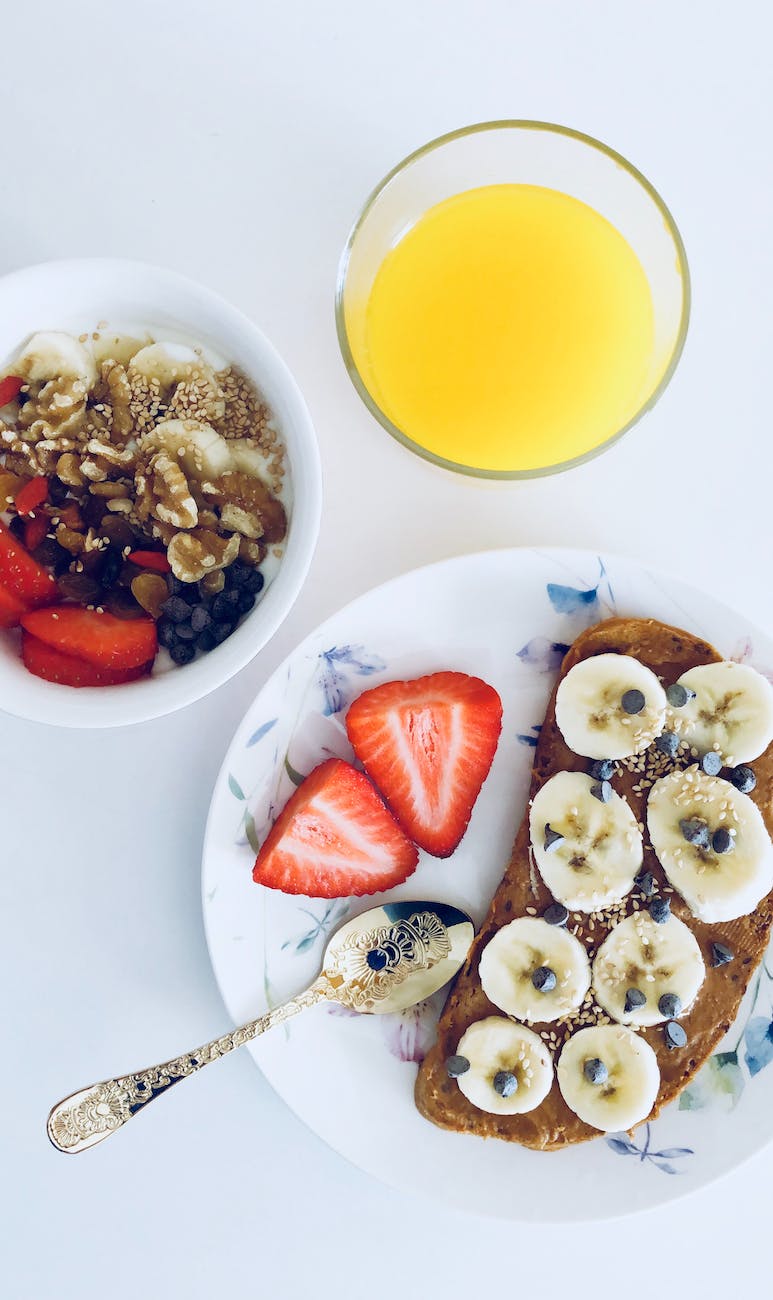
For a long time, breakfast has often been hailed as the most crucial meal of the day. The prevailing belief has been that missing breakfast could hinder the kickstart of your metabolism or lead to increased hunger and the potential for overeating throughout the day. While examining these effects in a clinical environment can be challenging, some efforts have been made.
It seems that whether you choose to skip breakfast or eat it, there is not apparent variation in your daily metabolism. The most pragmatic approach might be to heed your body’s signals — eat breakfast when you’re hungry and feel free to skip it when you’re not.
If your goal is weight loss or maintaining a healthy body weight, concentrating solely on breakfast may not address the underlying issue. Instead, the overall daily or weekly caloric intake related to your physical activity and ability to burn the calories you take in appear to be much more reliable in predicting weight gain or loss.
Breakfast appears to be no more important than any other meal.
Frequent Meals & Metabolic Rate
Does eating more frequent, smaller meals lead to an elevated metabolic rate? This seems plausible — digesting food requires energy, so if you are digesting food more frequently, you may be expending more energy, correct?
It turns out this does not seem to be the case. Research has demonstrated that the total calorie intake is the primary factor determining whether those calories are converted into fat, resulting in weight gain or weight loss. This implies that counting calories is effective, and the timing or distribution of your calorie consumption throughout the day may not significantly impact the outcome.
Frequent Meals & Weight Loss
Eating more frequent meals will definitely not help you lose weight if these meals add up to a higher total calorie intake. However, some individuals may find a suitable balance. The primary reason fasting proves effective for managing weight is likely by promoting caloric restriction. Simply put, burning more calories than you consume will promote weight loss.
Given that more frequent meals do not appear to substantially boost metabolic activity, the advantages of more frequent meals for some individuals may be more personalized. For instance, some individuals feel that smaller, more frequent meals help them avoid cravings.
In cases where your job or lifestyle leads to more frequent eating or snacking, it’s important to ensure the cumulative calorie intake doesn’t become excessive. Learning about calorie sources, how to monitor them, and how to make healthier dietary choices can be particularly beneficial. Services like Eat This Much can help make this process much easier.
Wrap-Up
So, how many meals should you aim for each day?
The answer to this question can vary based on your health condition and goals. If you are a healthy adult striving to maintain or lose weight while reducing the risk of cardiovascular disease, fasting may be a reasonable approach to help you reduce your overall calorie intake.
However, if you are managing diabetes or another chronic health issue, skipping meals may introduce risks.
Here’s what you should consider:
- Consult with your healthcare provider before making significant dietary changes, particularly if you are pregnant, breastfeeding, or managing a chronic health condition.
- Prioritizing calorie tracking can be beneficial for everyone.
- Skipping meals may offer health advantages beyond weight management, but aggressive approaches do not seem to offer any additional benefits compared with simpler methods.
In essence, finding the right balance is crucial. Your individual approach might differ from what you observe on social media or among your friends, and that’s perfectly fine!
References

- Welton, Stephanie; et al. “Intermittent Fasting and Weight Loss.” Canadian Family Physician, February 2020. Accessed October 26, 2023.
- Trepanowski, John F.; et al. “Effect of Alternate-Day Fasting on Weight Loss, Weight Maintenance, and Cardioprotection Among Metabolically Healthy Obese Adults.” Journal of the American Medical Association, July 2017. Accessed October 26, 2023.
- National Library of Medicine. “Drug-induced low blood sugar.” October 2022. Accessed October 26, 2023.
- Mattson, Mark P.; Wan Ruigian. “Beneficial effects of intermittent fasting and caloric restriction on the cardiovascular and cerebrovascular systems.” The Journal of Nutritional Biochemistry, March 2005. Accessed October 26, 2023.
- Brandhorst, Sebastian; Longo, Valter D. “Fasting and Caloric Restriction in Cancer Prevention and Treatment.” Recent Results in Cancer Research, September 2016. Accessed October 26, 2023.
- Kobayashi, F.; et al. “Effect of breakfast skipping on diurnal variation of energy metabolism and blood glucose.” Obesity Research & Clinical Practice, May 2014. Accessed October 26, 2023.
- Bllisle, F.; McDevitt, R.; Prentice A.M. “Meal frequency and energy balance.” The British Journal of Nutrition, April 1997. Accessed October 26, 2023.
- Cameron, J. D.; et al. “Increased meal frequency does not promote greater weight loss in subjects who were prescribed an 8-week equi-energetic energy-restricted diet.” British Journal of Nutrition, November 2009. Accessed October 26, 2023.
Recent Articles



Article Categories:
 Healthy-U