


Written by:
Healthy-U Staff

Medically Reviewed by:
Matthew Sommers, PharmD
This article may contain affiliate links, and we may earn a small commission when you click on the links at no additional cost to you. Read the full disclaimer here.
The ketogenic diet has garnered a lot of attention over time, and its appeal has steadily risen in recent years. Some of this buzz seems justified. Numerous studies have demonstrated its potential benefits for brain health, with evidence suggesting positive effects for conditions such as Epilepsy, Parkinson’s, and Alzheimer’s. Before you rush to the supermarket and buy out the meat department, it’s helpful to explore both the pros and cons of the Keto diet. Let’s get started!
Keto Diet Pros and Cons
Pros:
- Improved satiety (feel more full after eating; less hungry over the course of the day).
- Weight loss.
- Enhanced brain function.
Cons:
- Potential for symptoms during an adjustment period, e.g. Keto Flu.
- Heart disease risk factors.
- Increased cost of groceries.
- Potential for nutritional deficiencies.
We’ll discuss each of these in more detail and some tips to help manage the risks if you and your doctor determine trying the keto diet is right for you.
A Brief Introduction to the Ketogenic Diet
The keto diet induces the production of ketone bodies by restricting carbohydrates as the primary energy source. This dietary approach prompts your body to prioritize increased fat metabolism (burning fat) to generate ketones as an alternative energy source to glucose.
A typicaly keto diet meal plan is made up of primarily animal products like eggs, dairy, meats, nuts, and non-starchy vegetables. When following a ketogenic diet, foods limited or avoided to maintain low carbohydrate intake include processed and sugary foods and beverages, whole grains, legumes (e.g. beans, lentils, and chickpeas), most fruits and starchy vegetables. Although there is often a focus on animal products, a vegetarian or vegan version of the keto diet is used by some individuals.
Keto Diet Advantages
It’s important to note that the outcomes of following a keto diet can vary depending on the specific version of the diet you follow, especially if you are taking a more restrictive approach. The most extensively studied version of the ketogenic diet uses nutrient distributions with the following proportions of caloric intake:
- 10% of total calories from carbohydrates.
- 20% of total calories from protein.
- 70% of total calories from fats.
There are helpful trackers available to help you calculate macronutrients.
Boost Satiety
The keto diet may impact satiety, which refers to the sensation of fullness that helps ward off cravings throughout the day. Many individuals who follow a ketogenic diet mention experiencing increased feelings of fullness, although the precise mechanisms behind this effect are not clearly defined.
It appears increased satiety may be due to an emphasis on foods rich in fiber and the inclusion of more foods linked to reduced cravings compared to a standard diet. Experiencing a greater sense of fullness and fewer cravings can facilitate a reduction in overall calorie consumption, ultimately contributing to weight loss.
Lose Weight

The prospect of rapid weight loss is a common reason for considering a ketogenic diet. Some evidence points to initial drops of up to 10 pounds within a two-week period. It’s essential to acknowledge that a substantial portion of this initial weight loss is likely fluid mass (water weight), and such a rapid rate is not sustainable over time.
Studies have been unclear about the long-term effects of the keto diet on weight management. Maintaining balance and consistency over time is important not only for results, but also for safety. Consulting with your doctor prior to starting a diet can help you maintain this balance. Health professionals generally agree that a healthy and sustainable rate of weight loss over time is about 1 to 2 pounds per week.
Brain Function
Different forms of fasting have been employed for the management of epilepsy (seizure disorders) dating as far back as 500 BC or even earlier. The ketogenic diet mimics fasting metabolism, and was regularly prescribed in the 1920s before significant advancements were made in antiepileptic medications. Today, ketogenic diets continue to be a viable component of therapy for epilepsy patients, especially those with treatment-resistant symptoms (seizures that persist despite trying multiple seizure-controlling medications), under the careful guidance of a neurologist.
Alzheimer’s is characterized by the accumulation of amyloid plaques, disrupted glucose metabolism, and neuronal loss. The ketogenic diet may have the potential to offset symptoms by providing ketones as an alternative energy source in lieu of glucose, potentially decreasing the formation of amyloid plaques. Consequently, some researchers have proposed that a ketogenic diet might have the potential to aid in the prevention of Alzheimer’s or improve existing symptoms. It’s worth mentioning that, especially for elderly individuals with Alzheimer’s, maintaining the diet over time could pose significant challenges. Further research related to Alzheimer’s would be beneficial.
Keto Diet Disandvantages and Side Effects
Keto Flu
“Keto flu” refers to a group of symptoms reported by some users during the first week or two of the ketogenic diet as they adjust. Symptoms reported include:
- Nausea
- Constipation
- Headache
- Fatigue
- Irritability
- Insomnia
These symptoms are not necessarily unique to adapting to a ketogenic diet; similar effects are often reported by individuals cutting back or stopping consumption of processed foods in general. The term “keto flu” can be somewhat misleading, as this is not an actual illness. Although these symptoms can be uncomfortable and inconvenient, they are unlikely to be severely debilitating. It’s important to ensure your are drinking plenty of water, particularly as your body as your body is adapting to a new diet. Staying hydrated has the potential to lessen these symptoms.
Cardiovascular Risk Factors

Keto diets have been linked to improvements in body mass index (BMI), blood pressure, high-density lipoprotein (HDL) cholesterol — often referred to as ‘good’ cholesterol — and triglyceride levels. However, despite these benefits, the diet is associated with an elevated risk of heart attack and stroke.
A reliable laboratory indicator for predicting this risk is low-density lipoprotein (LDL) cholesterol, commonly called ‘bad’ cholesterol. A diet high in fat — up to 70% of calories from fats — can shift the balance towards a higher risk of cardiovascular disease. Even if the focus is on unsaturated or healthy fats, it may be challenging to limit saturated fats effectively. To keep a close eye on your current health status while consuming a diet rich in high-fat foods, it’s crucial to maintain regular appointments with your healthcare professionals. This includes period lab monitoring to ensure a healthy balance is maintained.
Potential for Increased Costs of Groceries
Focusing more heavily on whole foods, dairy, produce, and meats can potentially cause grocery budgets to become more strained. Traditionally, these items have carried higher price tags compared to grains and processed foods. In recent years, disruptions in the supply chain have led to more substantial price hikes as well. It is worth noting that the keto diet isn’t necessarily unique in its higher costs. A recurring trend, and a broader issue for society in general, is that healthy foods tend to come at a higher price.
There are meal plan services available like Eat This Much, which can help provide a more consistent budget while still offering variety and new things to try.
Nutritional Deficiencies
The ketogenic diet is a restrictive low-carb eating plan, and it carries a potential risk of nutrient deficienceies, expecially when followed for extended periods. The availability of various micronutrients can be influenced by your specific food choices. Common deficiencies may include:
- Sodium
- Potassium
- Magnesium
- Vitamin C
It’s vital to maintain ongoing medical supervision to ensure that you retain healthy nutrient balances over time. Supplements may help bridge some of these gaps, and there are various options catering specifically to the keto diet.
There are services like Perfect Keto that provide keto-friendly snacks and supplements. These can make it easier to ensure any potential nutritional gaps are being addressed.

When To Be Cautious When Starting A Low-Carbohydrate Diet
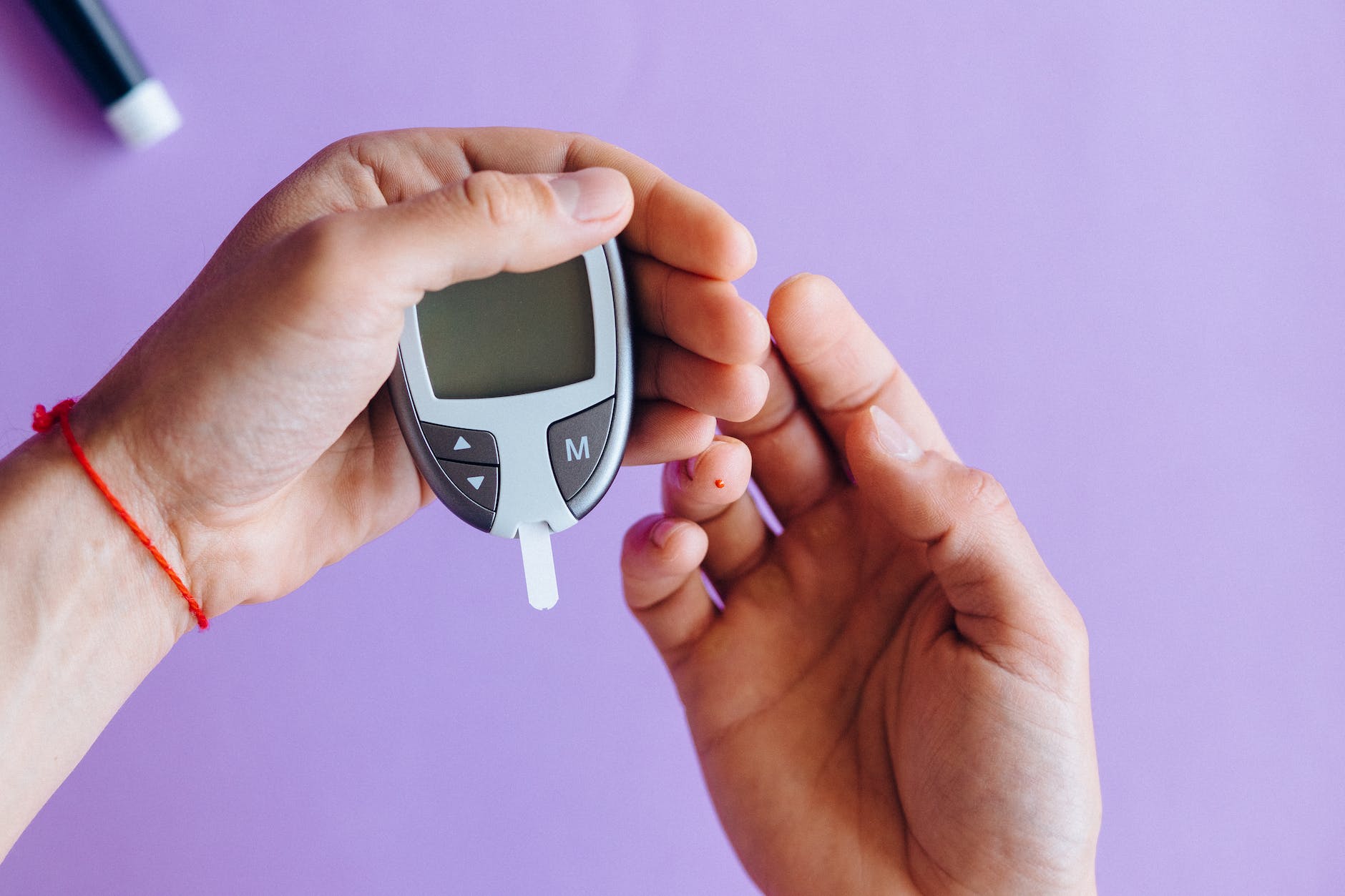
- Individuals managing diabetes should exercise caution when considering particularly restrictive low-carb diets. Limiting carbohydrates can be beneficial for avoiding high blood sugar levels, but a careful balance needs to be maintained, particularly if you are taking medication to lower your blood sugar.
There is already an increased risk of cardiovascular disease (i.e. heart attack or stroke) associated with diabetes. A ketogenic diet can further increase these risks. Individuals managing type 1 diabetes are at risk for developing ketoacidosis; a diet designed to increase ketones inherently increases this risk.
Adopting a diet restricting carbohydrates can benefit individuals managing diabetes, but achieving the right balance is essential. Achieving this balance is attainable with guidance from a healthcare professional and a registered dietitian.
- Individuals who are currently pregnant or breastfeeding have more stringent nutritional needs. The ketogenic diet could affect the availability of essential nutrients required for growth, including folate and various B vitamins. Dehydration and a subsequent decrease in milk production is also a possibility. A highly restrictive diet could potentially pose a risk to the health of both you and your baby.
- Bone density and fracture risk: Research has indicated that children treated with the ketogenic diet for epilepsy exhibit an increased risk of bone density reduction. This prompts the question of whether potential long-term consequences extend not just to these children but also to adults adopting the diet. Currently, the impact of the ketogenic diet on bone density in adults, the risk of osteoporosis, and bone fractures remains unclear.
It may be beneficial to consider bone mineral density screening prior to starting the diet, especially if you are a regular smoker, consume alcohol frequently, are over 50 years old, have a history of fractures, or if one of your parents has experienced a hip fracture.
Wrap-Up
When adopted safely, the ketogenic diet offers several potential advantages. These include weight loss and potential improvements in the management of conditions like epilepsy and neurodegenerative disorders, such as Alzheimer’s. However, it’s crucial to carefully consider these benefits in light of potential nutrient imbalances and an elevated risk of cardiovascular issues like heart attack and stroke.Your healthcare provider can play a pivotal role in ensuring that you maintain proper monitoring to sustain a healthy balance over time.
References

- Paoli, Antonio; et al. “Ketosis, ketogenic diet and food intake control: a complex relationship.” Frontiers in Psychology, February 2015. Accessed October 18, 2023.
- Basolo, Alessio; et al. “Ketogenic Diet and Weight Loss: Is There an Effect on Energy Expenditure?” Nutrients, May 2022. Accessed October 18, 2023.
- Wheless, James W. “History of the Ketogenic Diet.” Epilepsia, November 2008. Accessed October 18, 2023.
- Broom, Gina M.; et al. “The ketogenic diet as a potential treatment and prevention strategy for Alzheimer’s disease.” Nutrition, April 2019. Accessed October 18, 2023.
- Wlodarek, Dariusz. “Role of Ketogenic Diets in Neurodegenerative Diseases (Alzheimer’s Disease and Parkinson’s Disease).” Nutrients, January 2019. Accessed October 18, 2023.
- O’Neill, Blair; Raggi, Paolo. “The ketogenic diet: Pros and cons.” Atherosclerosis, November 2019. Accessed October 18, 2023.
- Headey, Derek D.; Alderman, Harold H. “The Relative Caloric Prices of Healthy and Unhealthy Foods Differ Systematically across Income Levels and Continents.” The Journal of Nutrition, November 2019. Accessed October 18, 2023.
- Bolla, Andrea Mario; et al. “Low-Carb and Ketogenic Diets in Type 1 and Type 2 Diabetes.” Nutrients, May 2019. Accessed October 18, 2023.
- Simm, Peter J.; et al. “The effect of the ketogenic diet on the developing skeleton.” Epilepsy Research, October 2017. Accessed October 18, 2023.
- Garofalo, Vincenzo; et al. “Effects of the ketogenic diet on bone health: A systematic review.” Frontiers in Endocrinology, February 2023. Accessed October 18, 2023.



Article Categories:
 Healthy-U